


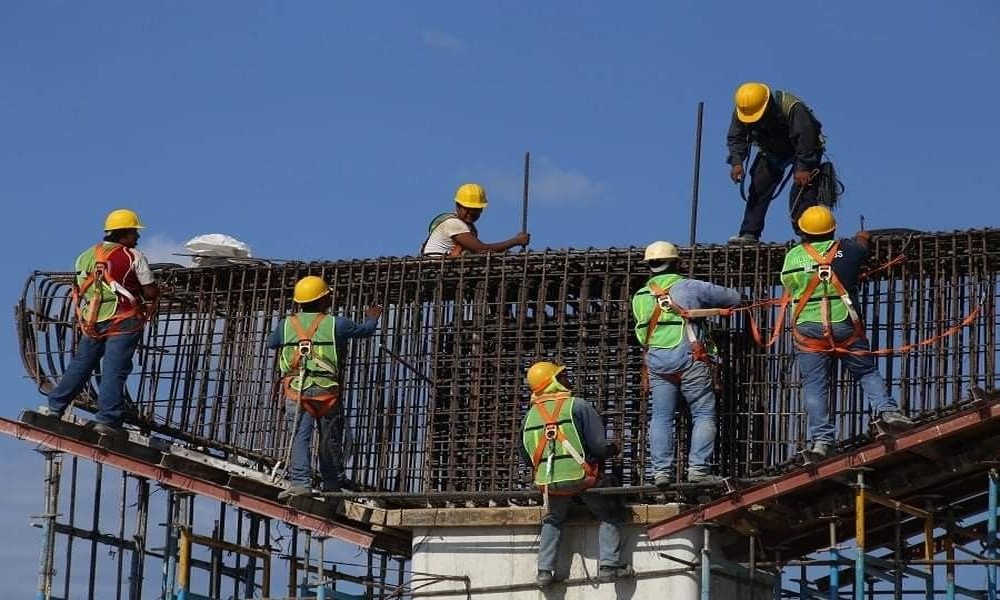
Modern construction is evolving faster than ever. New technologies and methods are transforming how buildings are designed, built, and maintained. Safety has become a top priority, and efficiency is no longer just about speed but also about precision and long-term sustainability. From advanced machinery to innovative materials, construction today is smarter, safer, and more reliable.
Advanced Materials For Stronger Structures
Construction materials have changed dramatically over the last decade. High-strength concrete, lightweight composites, and fire-resistant steel are now standard. These materials reduce structural weaknesses and minimize the risk of accidents on site. Buildings can withstand higher loads and environmental stress without compromising safety. Using modern materials also speeds up construction, as less time is needed for curing or reinforcement. This combination of strength and efficiency is changing the way projects are executed.
Precision Techniques To Repair Commercial Core Holes
Repairing commercial core holes-openings in concrete floors or walls made for mechanical systems-requires specialized methods. Modern techniques use epoxy injections, high-strength fillers, and diamond-tipped tools to restore structural integrity quickly. This ensures that commercial buildings remain safe for occupants while minimizing downtime. Efficient repair of core holes also allows contractors to maintain project timelines without compromising safety standards. By integrating technology into these repairs, construction teams save time and prevent costly mistakes, making repair commercial core holes a vital part of modern construction.
Automated Machinery And Robotics For Safety
Automation is making construction sites safer and more efficient. Robotic arms, drones, and self-leveling machines reduce human exposure to hazardous tasks. Robots can lift heavy materials, perform precision welding, and even inspect structures at heights. With these tools, accidents are less frequent, and the work progresses faster. The use of robotics also ensures consistency in quality, which is crucial for both structural safety and long-term maintenance. Sites with advanced machinery can complete complex projects without putting workers at unnecessary risk.
Welding Services For Structural Integrity
Welding services are essential for connecting metal components in modern construction. High-precision welding improves load-bearing capacity and reduces the likelihood of structural failure. Advanced welding techniques, including laser and automated welding, provide strong, consistent joints that are safer than traditional methods. Properly executed welding enhances both safety and efficiency, ensuring that buildings meet strict regulatory standards. Contractors now rely on specialized welding services to guarantee that metal frameworks remain durable, reliable, and safe under heavy use.
Smart Monitoring Systems For Real-Time Oversight
Modern construction sites increasingly use smart monitoring systems. Sensors track structural stress, temperature, and vibration, alerting teams to potential risks before they become serious. These systems reduce human error and help managers make informed decisions quickly. Real-time data also improves efficiency by predicting maintenance needs and optimizing workflow. Combining technology with safety protocols ensures that projects are completed faster without compromising quality or structural integrity.
Conclusion
Modern construction techniques are reshaping the industry. From repairing commercial core holes to utilizing specialized welding services, every innovation focuses on safety and efficiency. Advanced materials, robotics, and smart monitoring systems create safer environments while accelerating project timelines. As technology continues to evolve, the buildings of tomorrow will be stronger, safer, and built more intelligently than ever before. By embracing these methods, construction professionals can deliver quality structures while protecting both workers and occupants.
