


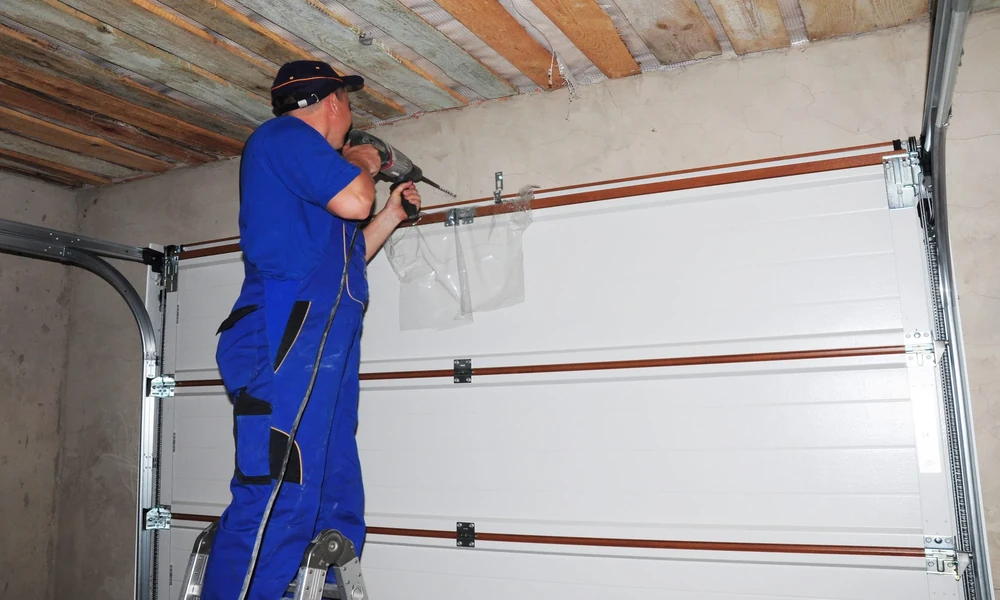
Replacing or adding a garage door is one of those home upgrades that seems simple, but quickly reveals its complexity the deeper you look. At first glance, it’s just a door; in reality, it’s a system that protects your car, boosts your curb appeal, and can even affect your home’s energy efficiency. So what does it really cost to have a garage door installed, and why does that number vary so wildly?
Understanding Garage Door Installation Costs
Garage door installation isn’t just about hanging a door on some tracks. The cost is shaped by a long list of factors, starting with the type of door you choose, the size of your opening, and the materials involved. On average, homeowners can expect to pay around $1,200 for a standard installation, but that figure can swing from as low as $260 to well over $2,300. Why such a range? The answer lies in the details.
Key Factors Influencing Price
Several elements influence the final bill for a new garage door:
– Door Type: Are you replacing a single 8-foot steel door, or installing a double insulated model with windows?
– Material: Steel, aluminum, wood, and composite doors each come with their own price tag and performance benefits.
– Labor: Professional installers charge varied rates depending on location, experience, and the complexity of the job.
– Customization: Decorative hardware, unique finishes, or smart automation features can nudge costs upward.
– Removal/Disposal: Taking away an old garage door or opener sometimes adds a little extra to the invoice.
Types of Garage Doors and Their Cost Differences
Roll-up steel doors, classic carriage-style doors, and impact-resistant models all have different base prices. Here’s how they generally compare:
| Door Type | Typical Price Range (Without Labor) |
|————————|————————————–|
| Basic steel | $260 – $800 |
| Insulated steel | $600 – $1,500 |
| Wood | $1,000 – $2,500 |
| Aluminum & glass | $1,000 – $4,000 |
| High impact/industrial | $1,500+ |
A custom or specialty garage door can easily double or triple these figures.
The Role of Materials in Pricing
Steel remains the most popular choice due to its durability and cost-effectiveness. Aluminum is lighter (and often more modern in appearance), but less robust. Wood offers classic beauty but demands more maintenance and a higher upfront investment. Composite doors strike a middle ground, imitating wood’s look with lower upkeep.
How Size and Style Impact the Budget
A standard single-car garage door costs less than a double, simply because it uses fewer materials. However, style can be a major variable. Adding windows, unique panel designs, or extra insulation quickly increases the bottom line. For homeowners seeking a statement piece, expect to pay for the privilege.
Breaking Down the Installation Process
Before the sawdust ever starts flying, you’ll need to select the right door for your needs and budget. This means measuring your opening, considering the climate, and thinking about both aesthetics and functionality.
Selecting the Right Garage Door for Your Needs
Choose a door that matches your home’s style and your security needs. Rolling steel doors suit commercial spaces, while insulated residential doors perform better in cold climates. Make sure the door you pick is compatible with your opener and tracks, or be prepared for extra costs.
Necessary Tools and Equipment Overview
Professional installers arrive with everything needed: drills, levels, wrenches, and specialized hardware you probably don’t have in your toolbox. If you attempt a DIY install, you’ll either need to rent or buy these tools, adding to your overall outlay.
Step-by-Step Installation Breakdown
A typical install includes disconnecting any existing opener, assembling and securing the new panels, attaching tracks, connecting the spring system, and ensuring everything moves safely and smoothly. Each step requires skill, especially when handling high-tension springs, which are not forgiving of mistakes.
Why Professional Installation Matters
Even the most capable DIYer can run into trouble with the weight, balance, and safety mechanisms of a garage door. A misstep with the spring assembly could lead to injury or property damage. That’s why seasoned experts, such as those offering Door Doctor garage door installation, are trusted for this work.
Labor Costs and Professional Services
Labor is typically bundled into quotes, but it’s worth knowing what you’re paying for.
Average Labor Costs Explained
Professional installation averages $300-$500 for a standard door, with extra fees for heavy or custom doors, tricky removal of old hardware, or electrical work for openers.
What Professional Installers Include in Their Services
The cost generally covers removal and disposal of the old door, precise installation of the new one, balancing, weatherproofing, and a full safety check.
Risks and Costs of DIY Installation Attempts
Trying to save on labor by going the DIY route may seem tempting, but the risks can be substantial. Improper installation leads to safety hazards, malfunctions, and voided warranties. Repairs from botched installs will often cost more than hiring a pro in the first place.
How to Choose a Reliable Garage Door Installer
Look for companies with solid reviews, local experience, and transparent pricing. Don’t hesitate to ask about licensing, insurance, and after-installation support.
Additional Costs and Considerations
Even after installation, garage doors require proper care and occasional investment.
Potential Expenses Beyond Installation
Consider the costs for opener upgrades, smart features, reinforced locks, or emergency access systems. Some of these may be optional but can add convenience and security.
Maintenance and Repair Costs Over Time
Annual lubrication, spring adjustment, and safety checks usually cost $100-$200 per visit. Serious repairs (like spring replacement) can run $150-$350.
Warranty and Service Agreements
Always check what’s covered by your warranty. Some installers offer service contracts that bundle in tune-ups and emergency repairs at a discounted rate.
Regional Variations in Pricing and Availability
Finally, remember that location matters. Labor rates, door availability, and even climate (which dictates the need for insulation) can shift the total price.
In the end, investing in a reliable garage door installation pays dividends in safety, performance, and peace of mind. Choosing the right door and installer ensures that cost and quality remain perfectly balanced.
