


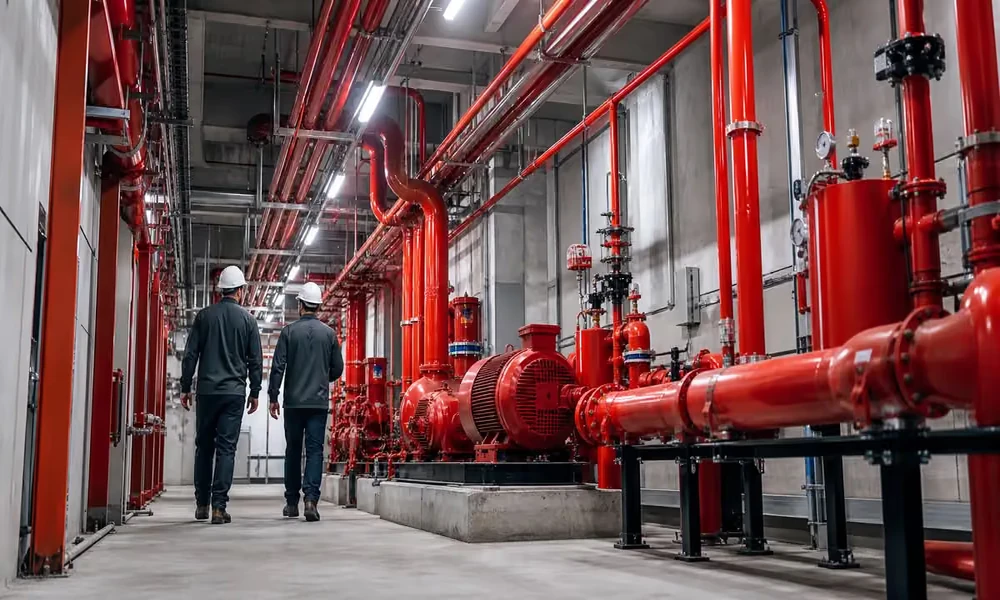
Automatic smoke detectors, sprinklers, and alarm panels form the backbone of a building’s fire protection, but they have real limitations: they can go offline for repair, and even when working perfectly, they only respond after smoke or heat is already present. Fire watch security exists to fill exactly those gaps with trained human judgment that no automated system can fully replicate, no matter how advanced the technology becomes. Understanding where each approach falls short is the first step toward building genuinely layered protection.
This dual layer of defense becomes critical the moment automated monitoring suffers an unexpected outage or scheduled maintenance. In these high-risk scenarios, relying on certified fire watch services near me Ontario business owners depend on ensures that active physical patrols step in immediately to preserve safety and regulatory compliance. By integrating real-time human oversight with existing building infrastructure, property managers can ensure continuous protection without leaving hazardous blind spots unmonitored.
Standing In When Systems Are Down
Fire codes such as NFPA 101 typically require a fire watch whenever an alarm or sprinkler system is impaired for more than four hours within a 24-hour period, and during that window guards perform the manual detection and notification that the automated system would otherwise handle for the building’s occupants around the clock, without any loss of coverage.
Spotting Hazards Before Ignition Occurs
A detection system can only react once smoke or heat is present, but a guard walking a patrol route can notice a hazard well before that- exposed wiring, improperly stored combustibles, or overheating equipment and address it before any detectable event occurs at all, stopping a fire before it can even begin.
Bringing Judgment Automated Systems Lack
Alarms cannot reliably tell a false alarm from a genuine fire, cannot direct occupants to safety, and cannot brief arriving fire crews on the building layout, all of which are things a trained guard can do the moment they are needed most, without waiting for someone else to step in or a control room to make sense of an alert.
Working Alongside Systems During Normal Operations
Even when detection systems are fully functional, guards deployed during hot work or other high-risk periods complement existing CCTV and alarms by adding human oversight and a documented record, rather than duplicating what the technology already covers on its own most of the time.
Standing Down Once Full Protection Returns
A fire watch is meant as a bridge, not a permanent replacement, and coverage typically ends once the impaired system has been tested and verified as operational by the authority having jurisdiction, with guards sometimes present during that final testing itself to confirm everything functions correctly before stepping back from the property entirely.
Conclusion
Detection systems and fire watch guards are strongest as a pair rather than as substitutes for one another. Automated systems provide constant, tireless monitoring, while a guard supplies the judgment, hazard awareness, and human response that technology alone cannot deliver, particularly in the exact moments when the automated system is unavailable, impaired, or simply not enough on its own.
