


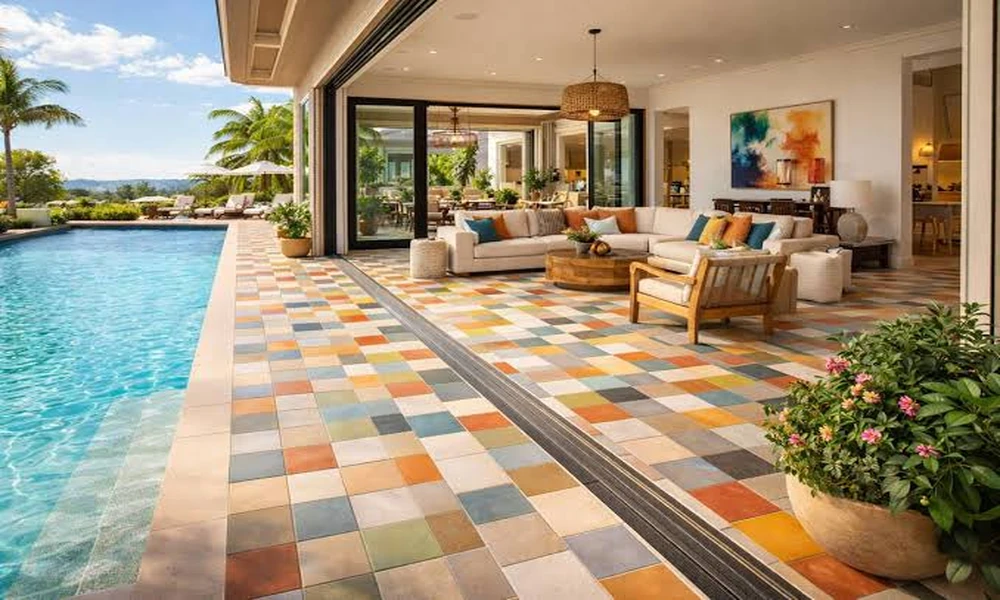
The scuffed, worn-out floors of a busy hallway or lobby do more than ruin a room’s aesthetic. They signal neglect and invite costly repairs. When every footstep, rolling cart, or muddy shoe leaves its mark, your flooring choice becomes mission-critical.
Understanding Durable Flooring for High Traffic Areas
Floors in high traffic zones face relentless punishment. In retail, hospitality, classrooms, or simply a home’s main entrance, only the toughest materials survive. Durability means standing up to scratches, dents, stains, and heavy loads, all while looking sharp.
Key Characteristics of Durable Flooring
The best flooring for these spaces shares several traits:
– High wear resistance: Surfaces are engineered to withstand repeated abrasion.
– Stable core construction: Prevents warping or cracking under pressure or moisture.
– Protective coatings: Guard against stains and make cleaning easier.
Why Does Durability Matter in High Traffic Zones?
Frequent repairs disrupt business or family life and run up long-term costs. Investing in tough flooring means fewer replacements, minimal downtime, and a better-looking space for years to come.
Common Challenges in High Traffic Flooring
No material is invincible. Heavy furniture, dropped objects, or harsh cleaning products test even the strongest floors. Slippery surfaces also raise safety concerns, especially in commercial environments.
Comparing Popular Durable Flooring Materials
Choosing between SPC flooring, traditional vinyl, and other materials can get confusing fast. Each comes with unique strengths and limitations, especially under heavy use.
SPC Flooring vs. Traditional Vinyl Flooring
SPC (Stone Plastic Composite) flooring is gaining traction for its rock-solid stability and resilience. Unlike standard vinyl, which uses a flexible core, SPC incorporates limestone and stabilizers, resulting in superior strength and water resistance.
| Feature | SPC Flooring | Traditional Vinyl Flooring |
|————————-|————————————-|——————————-|
| Core Material | Stone/plastic composite | PVC (polyvinyl chloride) |
| Water Resistance | Excellent | Good |
| Impact Resistance | High | Medium |
| Sound Insulation | Often better (with underlay) | Varies |
| Comfort Underfoot | Firmer feel | Softer, more “cushioned” |
Vinyl Floor Tiles vs. Vinyl Planks: Pros and Cons
Tiles and planks both offer style and practicality, but their differences can impact installation and durability.
– Vinyl tiles: Easier to replace individually if damaged; fit better in geometric layouts.
– Vinyl planks: Mimic the look of hardwood; fewer seams, which means less chance for moisture intrusion.
The Role of Thickness and Wear Layers in Longevity
Thickness isn’t just about luxury. Floors with thicker cores and heavier wear layers absorb more punishment before showing age. Commercial spaces often require at least a 20-mil wear layer, while 12-mil may suffice at home.
Design Considerations for High Traffic Flooring
A floor’s toughness is only half the story. Visual appeal matters, especially in areas where first impressions count.
Balancing Durability with Aesthetic Appeal
Modern options like SPC and luxury vinyl have shattered the notion that durable means dull. Wood, stone, and abstract patterns are now available, catering to any design vision.
Color, Texture, and Pattern Choices to Hide Wear
Busy patterns and textured finishes can camouflage scuffs and dirt, keeping the floor looking cleaner between maintenance. Mid-tone grays and browns are especially forgiving.
Impact of Installation Methods on Floor Durability
Floating and click-lock systems are quick to install and easy to replace, but glue-down options provide maximum stability in demanding commercial settings.
Environmental and Maintenance Factors
Can a tough floor be eco-friendly and low-maintenance? Increasingly, the answer is yes.
Resistance to Moisture, Scratches, and Stains
SPC and quality vinyl both resist water, making them ideal for kitchens, entryways, and even bathrooms. Scratch-resistant coatings help in pet- and kid-friendly environments.
Cleaning and Maintenance Requirements by Flooring Type
Most durable vinyl floors need only sweeping and the occasional damp mop. Abrasive cleaners should be avoided, as they can strip protective layers.
Sustainability and Eco-Friendly Options
Look for floors with low VOC emissions, recycled content, and third-party certifications for a greener footprint.
Cost Analysis and Long-Term Value
Durable flooring often means a higher upfront investment, but the payoff can be substantial.
| Flooring Type | Avg. Cost/Sq.Ft. | Lifespan (Years) | Typical Replacement Frequency |
|————————|——————|——————|——————————|
| SPC Flooring | $3 – $7 | 15-25 | Rare |
| Traditional Vinyl | $2 – $5 | 8-15 | Moderate |
| Laminate | $2 – $6 | 8-12 | Higher |
| Hardwood | $6 – $12+ | 20-50 | Low (refinishing possible) |
Commercial settings benefit most, saving on frequent repairs and lost business from downtime. In busy homes, longevity and easy care turn into long-term savings.
Case Studies: Successful Durable Flooring Applications
Retailers and restaurants gravitate toward stone-look SPC flooring for its blend of resilience and style. Residential entryways with wood-look vinyl planks stay inviting, even after constant foot traffic. Meanwhile, poorly installed or under-specified floors often end up as cautionary tales, buckling or peeling within a year.
Future Trends in Durable Flooring Technology
Innovations in SPC and vinyl are coming fast. Digital printing offers hyper-realistic visuals, while new click-lock systems improve installation and replacement. Some brands now even include antimicrobial surfaces or smart sensors for tracking wear.
Experts suggest browsing resources like Club Ceramic spc flooring to explore the latest high-performance options for modern spaces.
As technology evolves, expect durable flooring to become smarter, greener, and even better at blending beauty with brute strength. That’s good news for any space where style and staying power matter most.
