


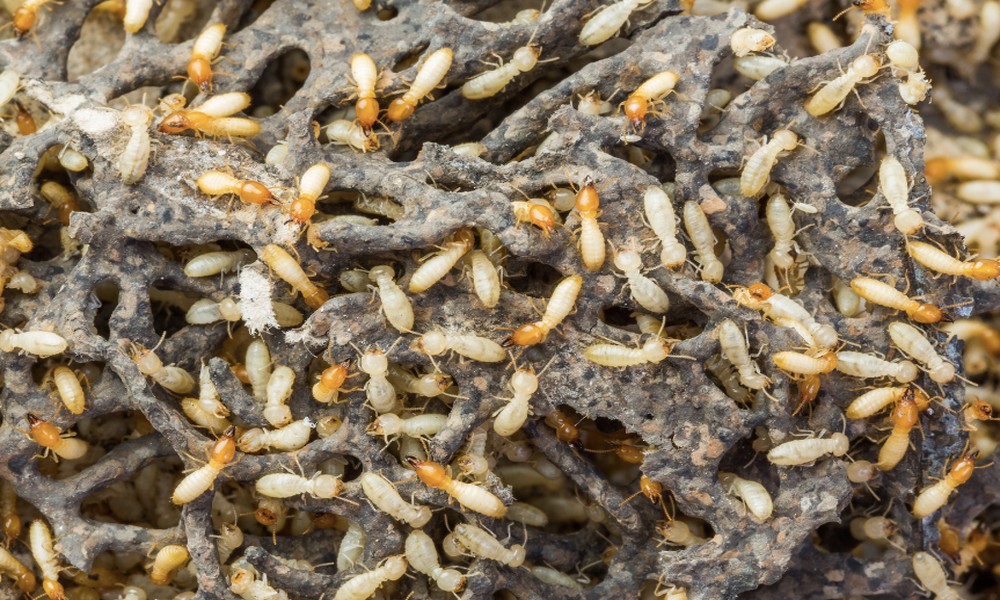
Termite infestations pose a serious threat to properties across Arizona due to the state’s warm climate and prevalent wood‑feeding termite species. Without prompt and thorough treatment, structural damage can escalate rapidly, resulting in costly repairs for homeowners and businesses alike.
For comprehensive termite mitigation, many Arizona residents turn to professional services like greenmangopest.com, which specializes in tailored fumigation strategies backed by scientific expertise and regulatory compliance.
Understanding Termites in Arizona
Arizona’s desert and semi‑arid regions create an ideal environment for subterranean and drywood termite colonies. These pests are not only prolific, capable of consuming cellulose material at a rapid pace, but also especially challenging to eradicate once established inside walls, foundations, and wooden structures.
Key termite species in the region include:
- Subterranean termites are known for extensive underground networks and mud tube formations.
- Drywood Termites: Infest dry lumber without soil contact, often hidden within attic beams and furniture.
What Is Fumigation?
Fumigation is a high‑efficacy pest control method that involves sealing a structure and introducing a gaseous fumigant to penetrate inaccessible areas. Unlike spot treatments or localized spraying, fumigation targets entire colonies by dispersing lethal gas through every nook and cranny where termites hide.
This process is regulated to ensure both human and environmental safety, with technicians trained in proper sealing, gas release, aeration, and post‑treatment clearance protocols.
Why Fumigation Is Effective for Termite Control
Fumigation remains one of the most effective strategies for severe termite infestations due to several factors:
- Deep Penetration: Gas molecules infiltrate wood, cracks, and voids unreachable by surface treatments.
- Colony Elimination: It targets entire termite networks, not just visible workers.
- Rapid Results: Treatment typically concludes within 24-72 hours, depending on structure size and fumigant used.
- Versatility: Applicable to both residential and commercial properties, including multifamily units.
For Arizona properties with extensive drywood termite activity, fumigation often delivers superior outcomes compared to localized chemical barriers or baiting systems alone.
Latest Trends in Termite Fumigation
As industry standards evolve, several key trends shape effective termite fumigation practices in Arizona:
- Integrated Pest Management (IPM)
Rather than relying solely on fumigants, modern termite programs incorporate IPM principles, which include:
- Environmental monitoring
- Moisture control
- Physical barriers
- Targeted chemical deterrents
This holistic framework reduces recurrence and minimizes chemical exposure.
- Advanced Fumigants with Lower Environmental Impact
Recent developments focus on fumigants that break down faster in the environment and pose reduced risks to non‑target organisms. Technicians strictly adhere to EPA guidelines and Arizona state regulations when selecting these products.
- Thermal and Alternative Technologies
Emerging technologies, such as heat treatment and microwave energy, are gaining traction as complementary tools, particularly for localized infestations or structures where traditional fumigation is impractical.
These technologies enhance termite eradication while aligning with eco‑conscious pest management preferences.
The Fumigation Process in Arizona
A professional termite fumigation typically involves the following steps:
- Inspection and Assessment
A certified technician evaluates termite activity, species identification, and infestation severity.
- Preparation
Homeowners are advised to remove or secure food, medicines, and pets. Tarps or structural seals are applied to contain fumigants.
- Gas Introduction
A regulated fumigant is released under controlled concentrations. The structure remains sealed for a prescribed period.
- Aeration and Clearance
After treatment, the area is ventilated until gas levels are safe. Final clearance testing ensures residential occupancy can resume.
Safety and Regulatory Compliance
Due to the inherent risks associated with fumigants, Arizona enforces strict safety protocols:
- Licensed applicators must conduct all fumigation work.
- Notification requirements to neighbors and local authorities may apply, especially in urban settings.
- Technicians use detection devices to verify safe re‑entry levels.
Takeaway
Fumigation remains a critical component of effective termite control in Arizona, especially for advanced infestations. By combining professional expertise, regulatory compliance, and emerging technologies, property owners can achieve long‑term protection. Engaging certified professionals ensures not only eradication but also peace of mind and structural integrity for years to come.
