


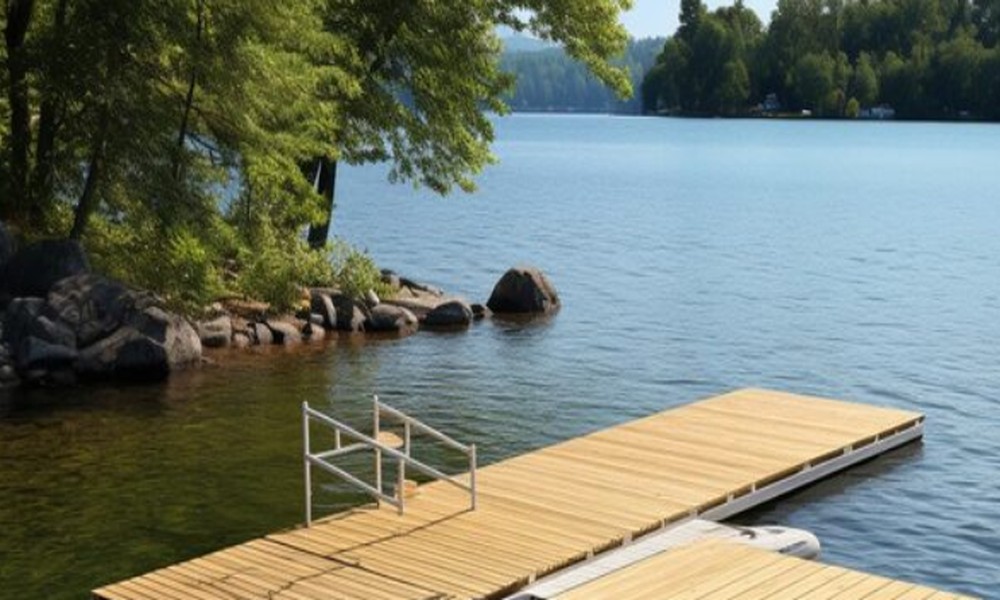
The water looks calm until it is not. The calm can be pushed to the edge by a windy afternoon or a storm line on radar. It’s less about panicking and more about routines to keep your dock structure, hardware and boats in the right place. Slow down and create a plan that you can follow.
Begin with a simple checkup
Slowly walk the dock. Bring your phone and a marker.
- Notify the contractor if you see any loose boards or soft spots.
- Check the cleats and ladders for play.
- Check the fenders and rubrails. Replace them if they are chalky, torn or ripped.
- Even the things that look fine should be photographed. Those “before” photos help later.
Assume that there are at least two problems. Not always but enough to be helpful.
Hardware and anchoring are important
Storms don’t test a deck in the middle. They tug on the edges and joints.
- Wherever possible, use 316 stainless steel. Salt and time will eventually win over galvanized.
- Not just washers, but backing plates are needed to tighten cleat bolts.
- Check for rust and abrasion on chains, lines and shackles. Early replacement is better than late.
- Check that the pile guide rollers on floating docks can ride higher water and are free to spin. Blocking will prevent the dock from catching under the cap in a big surge.
- Check all stringers, cross bracing and batter piles for docks that are fixed.
Electric and water lines
Before storms, turn off the breakers. It may seem obvious, but in a rush it’s easy to forget. Add drip loops and secure junction boxes. The water lines must have flexible sections and accessible shutoffs where the dock moves. Label valves to allow a neighbor to help you if you’re away.
Trim the things that can hurt you later
Wind can make branches that are overhanging the fairway, or that are drooping at the gangway, into hammers. Trim with caution. Bag up the debris immediately so that it doesn’t blow back into the sea when the first storm hits.
Create a storm setup that you can repeat
A perfect plan is not necessary. Every time you need to have the same plan.
- Remove all loose items: cushions, chairs, small tables and grills.
- Add spring lines to fairleads and provide chafe prevention.
- Secure the covers and lower the Bimini tops or remove them.
- Add safety stops, and secure the bow and stern of the boat to pilings in order to reduce sway.
- Move PWCs or small craft inland if the forecast predicts surge.
This checklist should be written on a single page. Laminate it and store it in your dock box. The checklist will be useful when the weather gets worse.
High tides and king tides
There are many risks that do not have a name. High tides creep. They test the freeboard and small places where water sneaks.
- Make sure that the gangways are able to withstand higher water levels without binding.
- Add anti-submersion features to electrical outlets and pedestals.
- When the tide is high, use foam blocks or taller fenders to keep the hulls away from the dock face.
- Resist the temptation to wade in a flood. Hidden fasteners or live circuits can be dangerous.
After the blow
Document first, fix second. Document first and fix second.
- Take wide shots, then close-ups of water lines and hardware failure points.
- If you can, look under the deck. The bolts and joist hangers will tell you the truth.
- Replace any anodes that are cracked, as well as any lines that look “almost fine.”
- Re-squat the layout, and tension lines if anything has shifted.
Maintenance rhythm that works
- After a busy weekend, rinse hardware and floats in fresh water.
- Do not tighten all the bolts at once, but a few each month.
- Keep a small set in your dock box. Include spare shackles and line, chafe protectors, cleats bolts, silicone sprays for rollers and dielectric greases for terminals.
- Plan a short, deep check for each season. Schedule it so that it occurs.
A quick checklist you can copy
- Inspect deck, fasteners, cleats, ladders, pile guides
- Label valves and check electrical shutoffs
- Trim branches from walkways and waterways
- Set extra lines, chafe equipment, and fenders
- Remove loose items prior to any watch or warning
- Secure lifts and add spring lines or move small craft
- Before and after photos for insurance and records
One last quiet thought. It is not about reducing risk when preparing a dock to withstand hurricanes and high waters. It’s about stacking little advantages. Better hardware. Cleaner lines. Cleaner lines. Simple things to do on calm days will make rough days easier. It is still true that the water will push. You will have your dock ready.
This post was written by a professional at Supreme Marine Floating Docks. Supreme Marine Floating Docks is dedicated to providing top-quality floating docks and marine accessories that combine durability, innovation, and superior performance. While we are a new brand, our team brings over 50 years of combined industry experience, making us a trusted name in the marine world. We are passionate about designing and delivering products that meet the highest standards, ensuring reliability and longevity in all marine environments. Whether for residential, commercial, marina docks Palm Beach, our docks are crafted with precision and care, setting a new benchmark in the industry. At Supreme Marine, we don’t just build docks-we create lasting solutions.
