


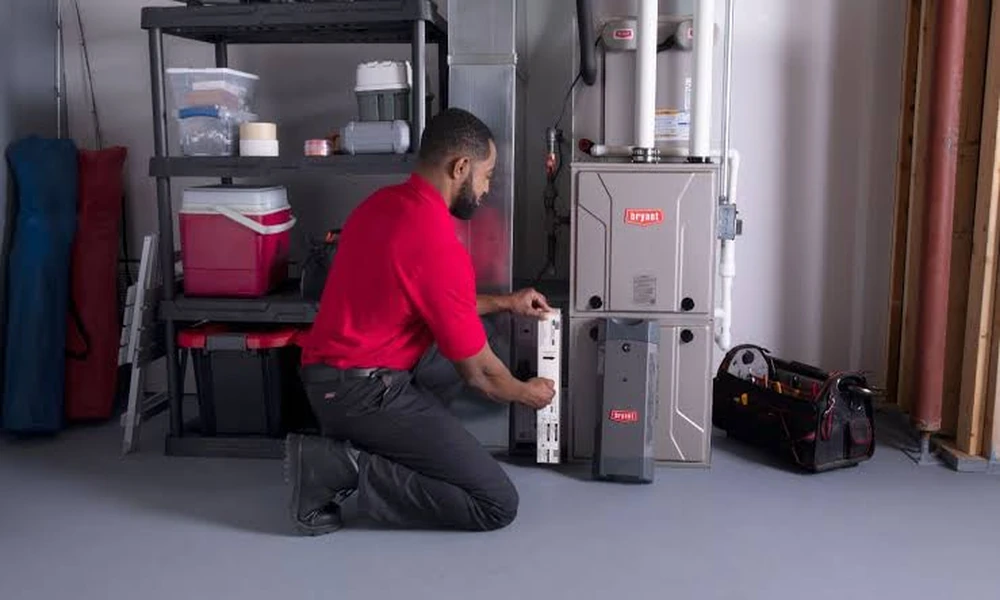
The first truly cold night in southern Michigan usually arrives without much warning. One evening the windows are cracked open, and the next morning someone is nudging the thermostat up and listening for the furnace to kick on. That furnace has been sitting idle since spring, collecting dust on its burners and waiting to find out whether its igniter still works. Most of the time it fires right up. Sometimes it does not, and by then every heating company in the county has a full schedule.
That is why a fall visit tends to pay off, and why it matters who shows up for it. Booking Jackson hvac service through a locally owned shop such as Right Now Heat and Air gives homeowners a crew that already knows the area’s mix of aging boilers, newer furnaces and ductless systems. Their technicians handle weekend appointments and answer emergency calls around the clock, which helps when a tune-up turns up something that cannot wait until Monday.
Not every tune-up is equal, though. Some amount to a new filter, a quick look and a sticker on the cabinet. A thorough visit goes much deeper, and knowing the difference makes it easier to judge the work.
The Filter Is the Least of It
Changing a filter is something any homeowner can do with a flashlight and two minutes. The parts that actually strand families without heat in January are smaller, harder to see and much easier to catch in October. A good technician tests and cleans them instead of assuming they are fine.
- The flame sensor, a thin metal rod that builds up a coating over time and causes the burners to shut off seconds after lighting.
- The hot surface igniter, which can crack or weaken and finally fail on the coldest morning of the year.
- The inducer motor and pressure switch, which confirm the exhaust is moving before the furnace is allowed to fire.
- The blower motor and capacitor, which push warm air through the ducts and wear out quietly until they stop.
- The condensate trap and drain on high efficiency furnaces, which clog with sludge and trigger shutdowns.
None of these parts is expensive on its own. Replacing one during a scheduled visit costs far less than an after-hours call with the house at 55 degrees.
Every Heating System Asks for Something Different
Jackson’s housing stock runs from century-old homes near downtown to newer subdivisions on the edges of the county, so the equipment in the basement varies widely. A tune-up checklist built only for gas furnaces misses a lot.
| System type | What the visit should focus on |
|---|---|
| Gas forced air furnace | Burners, flame sensor, heat exchanger, blower, gas pressure, condensate drain, duct connections at the furnace |
| Hot water boiler | Pressure relief valve, high limit control, expansion tank charge, circulator pump, leaks along the near piping |
| Steam boiler | Water level, low water cutoff, flushing sediment from the float chamber, sight glass, pressure controls |
| Heat pump or ductless unit | Outdoor coil, refrigerant performance, defrost operation, indoor filters and coils, backup heat |
Boilers deserve special mention. Many older homes in the area still rely on hot water radiators or steam, and these systems are often serviced less than furnaces simply because nothing seems wrong. A waterlogged expansion tank or a sticky low water cutoff can go unnoticed for years and then cause real damage.
Michigan Weather Leaves Its Own Fingerprints
A Michigan winter puts stresses on heating equipment that a generic tune-up checklist rarely addresses. These are the details worth watching for.
Snow at the side of the house. High efficiency furnaces and boilers often vent through plastic pipes in an exterior wall. Drifting snow or ice can block those terminations, and the equipment will shut itself off to stay safe. A technician should check that the pipes sit well above the expected snow line.
Drain lines in cold spots. Condensate lines that run through a garage, crawlspace or exterior wall can freeze solid during a deep cold snap. Heat tape or rerouting is a simple fix when it happens in fall.
Dry indoor air. Whole house humidifiers on furnaces need a fresh water panel and a working valve each season. A crusted, mineral-packed pad does nothing except grow scale.
Old chimneys. When a furnace is upgraded to a high efficiency model that vents through the wall, a gas water heater can be left alone in an oversized chimney. That chimney may no longer draft properly, which deserves a close look.
Recalled vent pipe. Some mid-efficiency furnaces and boilers installed roughly between 1987 and 1993 were vented with a high temperature plastic pipe that was later recalled. Any home with equipment from that era should have its venting identified.
The Safety Work That Should Happen in Front of You
The most important parts of a heating visit have nothing to do with comfort. A cracked heat exchanger in a furnace can let combustion gases mix with the air flowing through the house, which is how carbon monoxide ends up in bedrooms. The U.S. Consumer Product Safety Commission’s carbon monoxide safety guidance advises having home heating systems, including chimneys and vents, inspected and serviced every year by a trained technician, and it recommends carbon monoxide alarms on every level of the home and outside sleeping areas.
A technician doing this properly will inspect the heat exchanger with a light or camera, test for carbon monoxide near the furnace and in the supply air, and check the gas line connections for leaks. If any of those steps are skipped, it is reasonable to ask why.
Numbers Worth Asking For
Good service leaves behind measurements, not just a signature. Asking for a few readings in writing tells you a lot about both the equipment and the person who worked on it.
Temperature rise is the difference between the air entering and leaving the furnace, and it should fall within the range printed on the unit’s label. Static pressure shows whether the ductwork is choking the blower. Gas pressure confirms the burners are getting the right amount of fuel. On combustion equipment, a combustion analysis measures how cleanly the flame burns and how much carbon monoxide it produces. Year over year, these numbers form a record that shows when a system is slipping long before it fails.
Timing the Visit Around the Calendar
Early fall is the sweet spot for heating work. Technicians have more open appointments, parts are easier to find and repairs can be planned instead of rushed. Many equipment warranties also expect proof of regular maintenance, so a dated service record protects more than comfort.
Air conditioning gets its turn in spring, before the first humid week of summer. Splitting the year this way means every piece of equipment gets attention before it has to work hardest, and a heating system that has been looked at properly in October is far more likely to stay quiet and dependable when January finally arrives.
